Master’s degree Health Psychology

Master’s degree Health Psychology

Contact us

Type : Master’s

Format: Full time

Duration: 2 years

Next intake: September 2026

Level: Bac +5 (State-recognised qualification)

Language: French

Location: Lille

Download the brochure
Diplôme national de master controlé par l'État.

Degree with rectoral jury

Understanding, preventing and providing support

Presentation Master’s degree Health Psychology

Presentation of the Master’s in Health Psychology

Any question ?

The Master’s in Psychology, specialising in Health Psychology: the individual, their loved ones and the healthcare system, is designed to train psychologists capable of meeting the challenges of modern healthcare. It combines a clinical (particularly cognitive-behavioural) and psychosocial approach to enable future psychologists to analyse a variety of healthcare situations with nuance, and to select the tools and interventions best suited to the context.

This Master’s programme primarily addresses three key issues in health psychology:

  1. the identification of biological, psychological and social determinants that may influence health-related issues (e.g. habits, social inequalities, emotional regulation, use of healthcare services, etc.),
  2. the implementation of preventive and/or health promotion measures to address these determinants (e.g. awareness campaigns, behaviour change interventions),
  3. support for people experiencing specific health issues (e.g. addictions, obesity, chronic pain, ageing) as well as their close relatives and carers.


The Master’s programme includes, in particular, a 40-hour specialised training module in Patient-Centred Therapeutic Education (PCTE), enabling students to work with patients or informal carers, both in one-to-one sessions and in therapeutic groups.

At the same time, the Master’s programme encourages research in collaboration with the PSyCOS laboratory, enabling some students to go on to pursue a PhD. The programme is underpinned by a strong commitment to human ethics and personalised support throughout the course and work placements (500 hours).

Professionals and academic staff

Work-based training placements

Personalised support

Program Master’s degree Health Psychology

Program

The Master’s in Health Psychology focuses in particular on developments in professional practice, and thus incorporates a robust ethical component necessary for the level of responsibility required in the field of health psychology:

  • Theories and models in health psychology
  • Social determinants of health behaviours and inequalities
  • Behavioural change tools
  • Conducting assessment- or motivation-focused interviews
  • Therapeutic Patient Education
  • (Emotive-)cognitive-behavioural therapies (e.g., diagnostic and trans-diagnostic approaches in psychopathology)
  • Specialist care for various health issues (e.g., addiction, obesity and eating disorders, end-of-life care)
  • Design, implementation and evaluation of interventions
  • Carers and patient partners
  • Science communication
  • Ethics

Master's Program, Year 1

Core curriculum

Course title: Techniques and practices of individual assessment

Number of hours:  28h

Course title: Research training

Number of hours: 25h

Course title: English

Number of hours: 24h

Seminars (organised by research teams)

Number of hours: 36h

Specialist training

Course title: Fundamental Theories and Models in Health Psychology

Number of hours: 27h

Course title: Health behaviours: psychosocial determinants and public health issues: EC 1: Social psychology of health and inequalities

Number of hours: 22h

Course title: Health behaviours: psychosocial determinants and public health issues: EC 2: Introduction to public health and prevention

Number of hours: 12h

Course title: Principles and Foundations of Cognitive Behavioural Therapies

Number of hours: 22h

Course title: Key players in the care pathway: carers and patient-partners

Number of hours: 15h

Course title: Science Communication Workshop

Number of hours: 10h

Core curriculum

Course title: Statistics and Computing

Number of hours: 30h

Work placement

Number of hours: 24h

Study and Research Project (TER)

Specialist training

Course title: Applied Social Psychology in Healthcare: Tools for Behavioural Change

Number of hours: 29h

Course title: Health Psychology Interviews: Assessing, Analysing and Conceptualising Learning Outcome 1: Clinical Interview: Diagnostic Assessment and Case Conceptualisation

Number of hours: 27h

Course title: The health psychology interview: assessing, analysing, conceptualising

Number of hours: 12h

25

Students per intake

28h

Weekly classes

500h

A two-year work placement

Skills Master’s degree Health Psychology

Key skills

  • To be familiar with the main health issues and the associated challenges (e.g., access to care, adherence to treatment, oncology, chronic pain, addiction, obesity, insomnia, etc.).
  • Be able to assess and analyse the biological, psychological and social factors influencing the health issues encountered, placing them in their wider context (e.g. beliefs, emotions, habits, social support, socio-structural context)
  • Be able to develop, implement and evaluate a range of interventions to adapt to the needs of the situation and provide the best possible support to the people involved (e.g. awareness-raising campaigns, motivational interviewing, work on emotional regulation, communication, change planning, etc.)
  • Be able to build trust, demonstrate empathy and work collaboratively with the people they are supporting, as well as with the various stakeholders within the healthcare system (e.g., family carers, healthcare professionals)

Teachers Master’s degree Health Psychology

Some of your future teachers

At the FLSH, lecturers play a key role in students’ success. They are professionals and/or researchers who pass on their knowledge with passion.

Léo Toussard

Léo Toussard

PSycOS Team Researcher

Dr in psychology and co-coordinator of the Master’s in Health Psychology
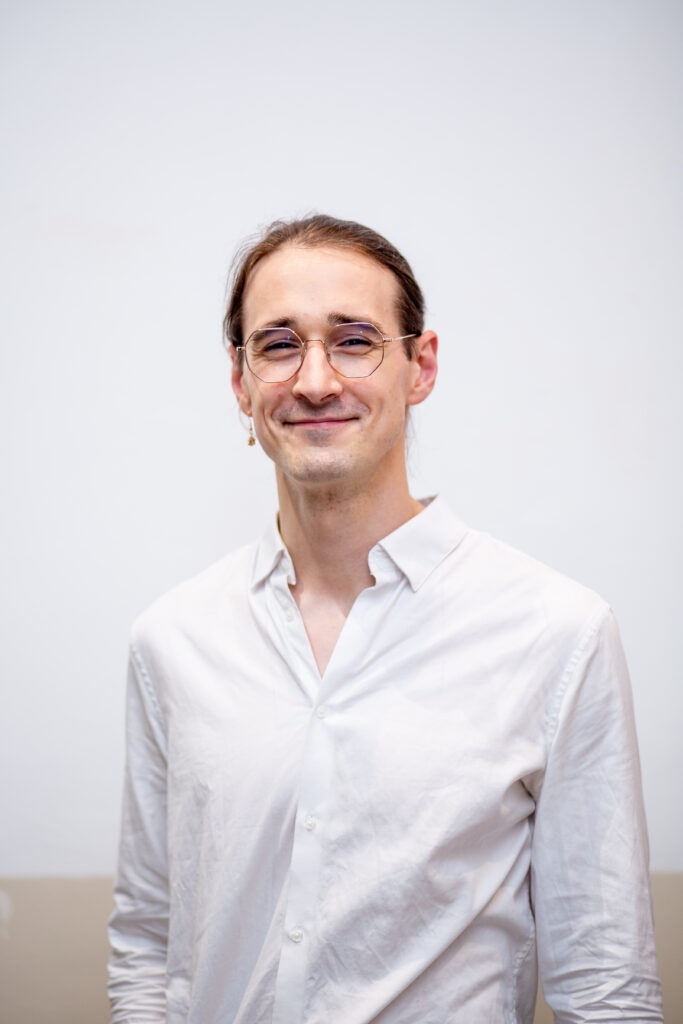
Nicolas Kaczmarek

Researcher PSycOS Team

Dr in Clinical and Social Psychology and co-director of the Master’s in Health PsychologyP

Découvrir son CV

Olivia Beauprez

Researcher MUSE Team

Dr in Psychology – Associate Dean (Psychology), Academic Director of the Second-Year Psychology Bachelor’s Program

Découvrir son CV

Henry Clety

Researcher PSycOS Team

Dr in Occupational Psychology, Head of the University Diploma in Occupational Health

Découvrir son CV

Anthony Piermattéo

Researcher PSycOS Team

Profesor in Social Psychology – Deputy Head of School (Psychology) Programme Director for the Master’s in Social and Occupational Psychology

Découvrir son CV

Julio Guillen

Researcher MUSE Team

Professor and Doctor of Psychopathology and Clinical Psychology

Découvrir son CV

Bruno Lenne

Researcher Neurethic-Lab Team

Profesor in Psychology, specialising in Neuroscience

Sarah Amar

Teacher

Clinical psychologist and lecturer

Isabelle Blairy-Savard

Researcher PSycOS Team

Design Engineer specialising in Well-being at Work / Innovation
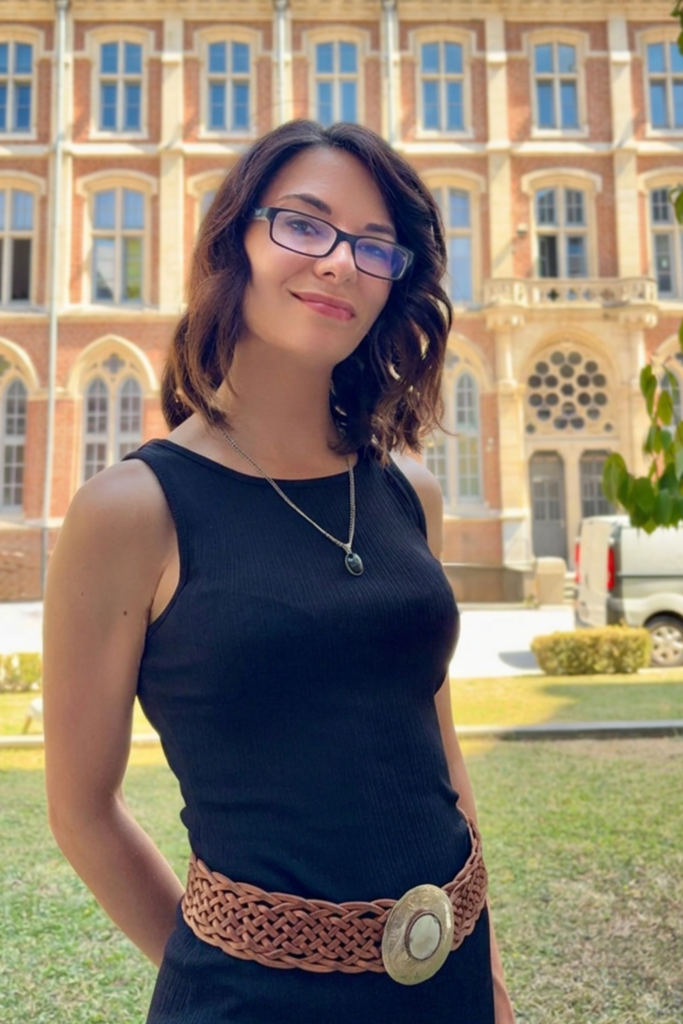
Béatrice Degraeve

Researcher Neurethic-Lab Team

Dr in Neuropsychology, specialising in Neuroscience

Découvrir son CV

Delphine Fleurion

Researcher Neurethic-Lab Team

Dr in Psychology, specialising in Neuroscience

Pierre Flandrin

Researcher PSycOS Team

Research Engineer in Social and Occupational Psychology

Découvrir son CV

Carole Pinel

MUSE Team Researcher

Dr in Psychopathology and Clinical Psychology; Head of Teaching for the First Year of the Bachelor’s Degree in Psychology

Découvrir son CV

Sandrine Schoenenberger

PSycOS Team Researcher

Dr in Occupational Psychology

Découvrir son CV

Stéphane Ranfaing

Researcher Neurethic-Lab Team

Lecturer and Researcher in Neuropsychology

Careers Master’s degree Health Psychology

Careers

In practical terms, the course promotes learning through cross-disciplinary projects and the analysis of real-world case studies.
A number of practising professionals deliver lectures in the first and second years.
500 hours of work placements are compulsory to complete the Master’s degree and, upon completion of a Bachelor’s degree in Psychology, to qualify as a psychologist.

Career opportunities

  • Health psychologist working in the hospital sector and specialist centres (addiction, obesity, pain management, oncology, palliative care, etc.), in medical and social care settings (residential care homes for the elderly, long-term care units, supported living homes, etc.), or in private practice.
  • Project manager in public health, prevention and/or health promotion within health agencies (e.g. ARS, Santé publique France), health and prevention consultancy firms, local authorities, or within the voluntary sector.
  • Researcher and lecturer in psychology (with the possibility of pursuing a PhD), in academic settings, hospitals or research institutes (INSERM, CNRS, INCa, etc.), with a view to pursuing a PhD

Careers

Health psychologist

Public Health Project Manager

Lecturer and researcher in psychology

Projects Master’s degree Health Psychology

Student Projects

During the two-year Master’s programme, a wide range of events are organised for students:

Les témoignages de nos étudiants

While some professionals use a primarily medical model to explain illness, health psychologists use a model that combines medical, social, and psychological factors. This approach helps us understand how mental health impacts physical health and how essential it is to take it into account. In this master’s program, the primary focus is on prevention; protecting mental health means protecting physical health.

Emelyne

student in Master's degree Health Psychology

Les témoignages de nos étudiants

This master’s program has allowed me to develop a more accurate, thoughtful, and practice-oriented clinical approach. The role-playing exercises and the internship give real meaning to the theoretical concepts and help us better understand and internalize our role with patients and their loved ones. The program also emphasizes scientific rigor, particularly through the writing of the thesis and the creation of scientific presentation materials (such as scientific posters). Finally, ethical reflection plays a central role and leads me to constantly question my choices, my clinical approach, and my future professional practices.

Fanny

student in Master's degree Health Psychology

partenaires et institutions

FAQ Master’s degree Health Psychology

Ready to join us? We’ll answer your questions

Staff

Administrative contact

Yann Herman

Send a mail

Program directors

Dr Nicolas KACZMAREK
Co-coordinator of the Master’s in Health Psychology

Send an email

Dr Léo TOUSSARD
Co-coordinator of the Master’s in Health Psychology

Send an email

Is this Master’s programme offered as a work-study programme?

No. This Master’s degree is a regulated course of study with compulsory clinical placements in healthcare settings.

Full-time face-to-face training with compulsory clinical placements in healthcare settings (hospitals, clinics, organisations).

Tuition fees are means-tested. Scholarships from CROUS and the faculties are available. An online fee calculator is available.

Yes. CROUS grant holders benefit from a rate tailored to their grant tier.

Application and interview. A degree in Psychology is required. An interest in health, chronic illness and health prevention is an advantage.

Yes. This Master’s 2 programme qualifies graduates to practise as health psychologists, provided they have successfully completed the compulsory placements.

Health psychologist working in hospitals, oncology, palliative care, occupational health, health promotion or research.